
Categories
Research

Accelerated Testing

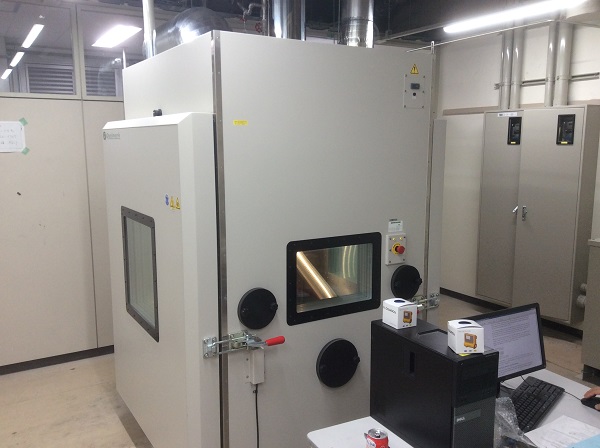
Highly accelerated limit test (HALT) is a qualitative accelerated method for testing electronic products as introduced in IEC62508. The purpose of HALT is to identify specific failure modes of units by generating external stresses. HALT has been adopted for many products, and some companies use HALT to improve the design process of their products. However, failure mechanism of products during HALT is too complex, and it is not easy to identify a problem in the tested product.

The goal of our group is to identify fundamental failure mechanisms of products during HALT.

Related articles

  • Potential failure mode identification of operational amplifier circuit board by using high accelerated limit test, Junji Sakamoto, Ryoma Hirata, Tadahiro Shibutani, Microelectronics Reliability, Volume 85, pp. 19-24, 2018. https://doi.org/10.1016/j.microrel.2018.04.005
Categories
Research

Hydrogen safety

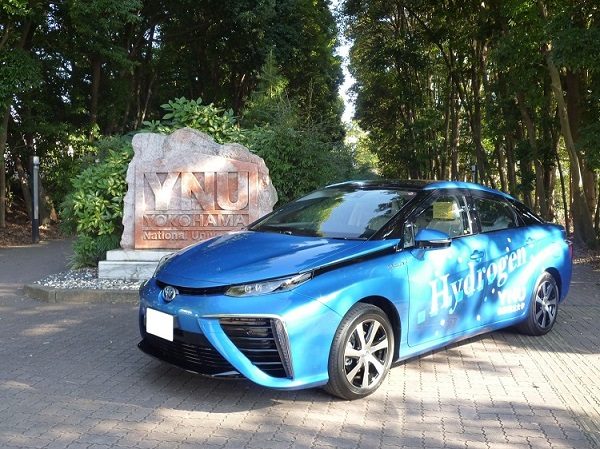
Hydrogen is receiving increasing attention as a future energy carrier. It is expected that widespread usage of hydrogen energy will result in energy savings, strengthen energy security, and reduce the environmental impact of energy consumption. One of the primary uses for hydrogen at present is in fuel cell vehicles (FCV’s). FCVs were introduced into the Japanese market in 2014, and the Government of Japan is planning to have approximately 40,000 FCV’s in Japan by 2020 (METI, 2016).The two main safety issues in HRS are: (i) the operating pressure of standard HRS in Japan is substantially high at 82 MPa. (ii) Inherent unsafe characteristics of hydrogen fuel can possible lead to explosion and fire: hydrogen is likely to leak because of its low density, large flammability range, and low minimum ignition energy. Meaning risks are associated with the high-pressure condition in addition to the known hazardous properties of hydrogen. Considering these scenarios, it is inevitably necessary to reduce the risk associated with possible breakdowns in HRSs.